Tree Inspections in Stockwell
Reliable tree inspections for Stockwell homes, landlords, businesses, and managing agents
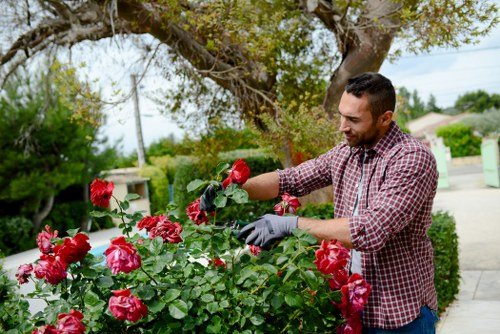
If you are looking for tree inspections in Stockwell, you are probably dealing with a practical concern rather than a vague idea of “tree maintenance.” Maybe a tree is leaning after strong winds, branches are touching a roof, roots are lifting paving, or you simply want to know whether a mature tree is safe to keep. Whatever the reason, a proper inspection gives you clear, informed answers before a small issue becomes an expensive or risky one.
Stockwell has a mix of Victorian terraces, converted flats, mansion blocks, council estates, gardens tucked behind busy streets, and commercial premises with limited outdoor access. That variety makes tree care more than a routine task. Trees may be close to buildings, boundaries, footpaths, parking bays, or underground services, and that means the condition of the tree, the surrounding space, and how the site is used all matter. A local inspection service is useful because it takes all of those factors into account.
Our tree inspections are designed for people who need practical advice they can act on. You may want reassurance after stormy weather, a report before building work, an assessment for a landlord or management company, or a check on a tree that has started dropping deadwood. We focus on what is actually happening in the tree, what the likely risks are, and what can be done next—without unnecessary jargon or alarm.
Why tree inspections matter in Stockwell

In a busy area like Stockwell, trees often sit in challenging settings. A mature tree in a rear garden may be growing close to fences and extensions. A street-facing tree may need assessment because of overhanging branches, root movement, or signs of decay near the base. A tree in a shared courtyard might be used by several residents and so the impact of failure, falling branches, or leaf drop affects more than one household. These are the kinds of situations where a thoughtful inspection is especially valuable.
Tree inspections in Stockwell are not just for obvious damage. They can also help identify early signs of trouble such as cracked branches, fungal fruiting bodies, cavities, bark loss, poor structure, excessive lean, decay at union points, or root disturbance from excavation and hard landscaping. Finding these issues early can reduce the likelihood of emergency work later and help you make sensible decisions about pruning, monitoring, or removal.
There are also planning and property-management reasons to inspect trees. If you are preparing for renovation, loft works, a rear extension, or the installation of paving and drainage, a tree assessment can help you understand whether roots, canopy spread, or tree health may affect the project. For landlords and agents, regular checks can support safe management of communal areas and show that concerns have been addressed responsibly.
What our tree inspection service includes
A good inspection should be clear, methodical, and tailored to the site. We look at the tree as a whole and consider the local environment around it, because a tree can appear healthy at first glance while still presenting a problem due to its position, size, or structural defects.
Typical tree inspection work may include visual assessment of the trunk, crown, branches, root flare, and surrounding soil conditions. We also consider whether the tree has been previously pruned, whether there are signs of stress, and whether there is evidence of mechanical damage from vehicles, building work, or garden changes. If a tree is close to a property, wall, driveway, or path, that context is part of the inspection too.
Depending on the situation, the outcome of an inspection may be a straightforward recommendation to monitor the tree, undertake pruning, reduce weight in the crown, address deadwood, improve growing conditions, or consider more detailed investigation. In some cases, a tree may simply need periodic review rather than immediate work. In others, the inspection will show that action should be taken sooner rather than later.
Local tree knowledge matters
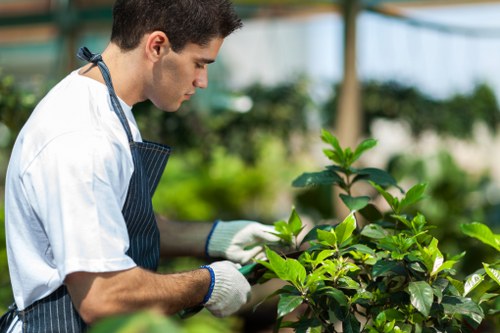
Stockwell’s tree stock varies from private ornamental trees in compact gardens to larger, established specimens in communal spaces and near roads. Different species behave differently, and the surrounding conditions influence how a tree develops over time. For example, a tree with restricted rooting space in an urban front garden may show stress differently from one in a larger, open area. Similarly, a tree near high foot traffic or regular vehicle movement may require a more cautious approach than one in a quiet rear garden.
Local access issues also make a difference. Narrow side passages, restricted parking, controlled bays, and shared entrances can all affect how work is carried out. A local team familiar with Stockwell and nearby streets can plan around those realities more efficiently. That saves time on site, reduces disruption, and helps ensure the inspection is done in a way that suits residents, neighbours, and building managers.
When a tree inspection is carried out by someone who understands the area, the recommendations are usually more practical. That might mean advising a staged approach to work in a small courtyard, suggesting a monitored interval for a tree with minor defects, or highlighting the need to coordinate with neighbours where branches overhang multiple properties.
Common reasons people book tree inspections in Stockwell
Residential situations
Many enquiries come from homeowners and tenants who notice something unusual and want a professional opinion before taking further steps. Common reasons include:
- A tree leaning more than before after high winds
- Branches rubbing against roofs, windows, or guttering
- Deadwood falling into gardens, paths, or parking areas
- Cracks in the trunk or major limbs
- Roots lifting paving or affecting drains
- Concerns about safety near sheds, extensions, or fences
For residents, reassurance is often as important as the work itself. If the tree is sound, that is useful to know. If it needs attention, it is better to understand the problem early and deal with it in an organised way.
Commercial and managed properties also rely on inspections. Schools, offices, shops, hospitality venues, housing providers, and block managers often need trees checked because public access, shared spaces, and duty of care all increase the importance of timely decisions.
How the inspection process works

The process is straightforward and designed to make things easy for local customers. First, the site and the reason for inspection are discussed so the visit can be targeted to the issue at hand. A tree that has recently suffered storm damage is approached differently from a tree that is part of a long-term management plan.
On arrival, the inspection begins with an external visual assessment. This includes the structure of the crown, branch junctions, trunk condition, signs of decay, any visible damage, the presence of deadwood, and the condition of the ground around the tree. The relationship between the tree and nearby structures is also considered, including walls, fences, roofs, driveways, pathways, and nearby trees.
After the assessment, the findings are explained in clear terms. If a tree is healthy, you will be told why it appears sound and whether any future monitoring is advisable. If concerns are found, the next steps will be set out in practical language so you can decide how best to proceed. Book your service now if you want to move from uncertainty to a clear plan.
What we look for during a tree inspection
Tree inspections involve more than spotting broken branches. A tree can show subtle signs of decline or instability long before failure becomes obvious. That is why a careful assessment is important, especially in dense urban settings where targets such as buildings, cars, and pedestrians are nearby.
Some of the main things checked during a visit include:
- Overall crown density and leaf condition
- Dead, cracked, or weakened branches
- Signs of decay, cavities, or split unions
- Stem defects, bark damage, or wounds
- Evidence of fungal growth or other symptoms of decline
- Root disturbance, soil compaction, or changes to the ground level
- Effects of previous pruning or storm damage
- Potential interaction with buildings, utilities, and access routes
Where needed, the inspection can also help determine whether a tree is suitable for continued retention, whether a reduction is enough, or whether more extensive work may be needed. This is especially useful in Stockwell, where many trees are close to boundaries and space is limited.
Why use a local company for tree inspections in Stockwell?

Choosing a local company is about more than convenience. It can make the whole process smoother from the first enquiry to the final recommendation. A team that regularly works in and around Stockwell is more likely to understand the common site conditions found in the area, such as limited rear access, shared gardens, compact front plots, mixed residential layouts, and the need to work considerately around neighbours and passing traffic.
Local knowledge also helps with practical planning. If parking is limited or access is awkward, the inspection can be arranged with that in mind. If a tree stands in a shared space or near multiple properties, the assessor can consider how the work will affect everyone involved. That is particularly valuable for landlords, managing agents, and homeowners’ associations that need a service with minimal disruption.
There is also the benefit of quicker response. When a storm has passed through or a tree has started to shed large dead branches, you may want someone to take a look promptly. A local provider can often respond faster than a team travelling from much further away, which matters when you need informed advice sooner rather than later.
Areas covered around Stockwell
Tree inspections are available for customers in Stockwell and nearby districts across South London. This typically includes properties and sites around Clapham, Brixton, Kennington, Oval, Wandsworth Road, Nine Elms, Battersea, and the surrounding neighbourhoods. If you manage multiple properties or have trees across different sites, it can be helpful to use one local team that understands the wider area and the common access issues that come with it.
For customers with mixed portfolios, a local service can also make repeat inspections easier to schedule. That is useful for landlords, caretakers, and block managers who need consistency across several trees or several premises. It keeps records aligned and makes it simpler to plan any follow-up work.
Whether your tree is in a private garden, front forecourt, communal courtyard, commercial yard, or roadside setting, the inspection approach should match the location. Every site has different risks and practical constraints, so the service should be shaped around the individual property rather than forced into a one-size-fits-all process.
Preparation checklist before your tree inspection
Simple steps that help the visit run smoothly
You do not usually need to do much before an inspection, but a little preparation can help the process go more smoothly and ensure the key concerns are covered. If the tree has a particular issue you want looked at, it helps to note where the problem is visible and when you first noticed it.
- Make sure the tree area can be accessed safely.
- Move vehicles if they are blocking visibility or entry.
- Note any recent changes such as storms, digging, pruning, or building work.
- Check whether the tree is in a shared area or close to a neighbour’s boundary.
- Gather any previous reports or maintenance records, if available.
- Flag any urgent concerns such as large dead branches, significant lean, or cracked limbs.
If access is limited, mention that when arranging the visit so the inspection can be planned accordingly. In Stockwell, that can make a real difference because many properties have narrow approach routes, controlled parking, or shared entries.
Pricing factors for tree inspections
Customers often ask how tree inspection costs are worked out. While exact prices are not listed here, it is useful to understand the main factors that usually influence a quote. The aim is to match the visit to the level of assessment needed, rather than charging for features that are not relevant to your site.
Factors commonly considered include:
- The number of trees to be inspected
- Tree size, age, and complexity
- How accessible the site is
- Whether the visit is routine or urgent
- Whether a single tree or a wider group assessment is required
- Whether detailed written findings are needed for a landlord, solicitor, planner, or managing agent
- Any special access or parking considerations
A clear quote should reflect the real scope of the job. If you only need one tree checked after storm damage, that is a different service from assessing several mature trees in a communal setting. Contact us today to request a free quote based on your site and your concerns.
When a tree inspection can save you time and stress
It is often tempting to wait and see if a tree improves on its own, especially when the signs are not dramatic. But trees do not usually recover from structural defects, root disturbance, or decay without intervention. A timely inspection can help you make a sensible decision before the situation becomes more urgent.
For homeowners, that may mean avoiding preventable damage to roofs, sheds, paving, or garden structures. For landlords and block managers, it can mean addressing hazards before they affect residents or visitors. For businesses, it can support safer use of car parks, entrances, and outdoor customer areas. In each case, the value lies in clarity and timing.
Many customers simply want to know whether they need to act now or monitor the tree for a while. That question is exactly what a well-conducted inspection is meant to answer. You should come away with a realistic understanding of the tree’s condition and what, if anything, needs to happen next.
Frequently asked questions
Do I need a tree inspection if the tree looks healthy?
Yes, sometimes you do. A tree can look healthy from a distance but still have hidden defects, previous storm damage, root issues, or structural weaknesses. If the tree is close to a building, path, road, or shared area, a professional inspection can help confirm whether it is sound or whether it should be monitored.
Can you inspect trees in small gardens or tight access areas?
Yes. Many properties in Stockwell have limited space, and inspections are often carried out in compact gardens, rear yards, and shared access routes. Good planning and local knowledge help make those visits efficient and practical.
What if the tree is near a neighbour’s property?
That is very common in urban areas. An inspection can still be carried out, and the findings can help clarify what condition the tree is in and whether any work should be discussed with adjoining owners or occupiers. If branches or roots are affecting another property, it is best to deal with the matter carefully and professionally.
How often should trees be checked?
That depends on the tree’s condition, location, age, and past history. Some trees need only occasional monitoring, while others—especially larger or more exposed trees—may benefit from periodic review. After an inspection, you should have a clearer sense of the right interval for follow-up.
Can you help after storm damage?
Yes. If a tree has been affected by wind, heavy rain, or sudden structural failure, an inspection can help determine the level of risk and whether immediate action is needed. If there is visible danger, do not wait—seek prompt professional assessment.
What makes our approach practical for Stockwell customers?
Stockwell customers often need tree work that is efficient, tidy, and considerate of neighbours and day-to-day life. The inspection service is shaped around that reality. Rather than overcomplicating the process, the focus is on delivering a useful outcome: clear findings, sensible recommendations, and an approach that fits the property.
That is especially important where trees sit close to boundaries or where several people share responsibility for the space. In those situations, the inspection should help reduce uncertainty and support decisions that are fair, proportionate, and informed. It is not just about the tree itself; it is also about the people and property around it.
If you are planning ahead, checking a concern, or dealing with a tree that has recently changed, a local inspection is a sensible first step. It gives you a professional view of the situation before you commit to pruning, further investigation, or more extensive work.
Book a tree inspection in Stockwell
If you need straightforward, locally informed tree inspections in Stockwell, we are ready to help. Whether it is one tree in a small garden or several trees across a managed site, the aim is the same: give you clear information so you can make the right decision.
Request a free quote if you want to compare the scope of the job, or contact us today to arrange an inspection for a tree that is causing concern. If you are unsure whether the issue is urgent, it is still worth getting it checked. The sooner you understand the condition of the tree, the easier it is to choose the next step with confidence.
From residential gardens and shared courtyards to commercial properties and mixed-use sites, our tree inspections in Stockwell are designed to be practical, responsive, and useful for real customers. Book your service now and get the reassurance that comes from a proper assessment.